
Collaborating for smarter mobility: VTM engages with EIT Urban Mobility students
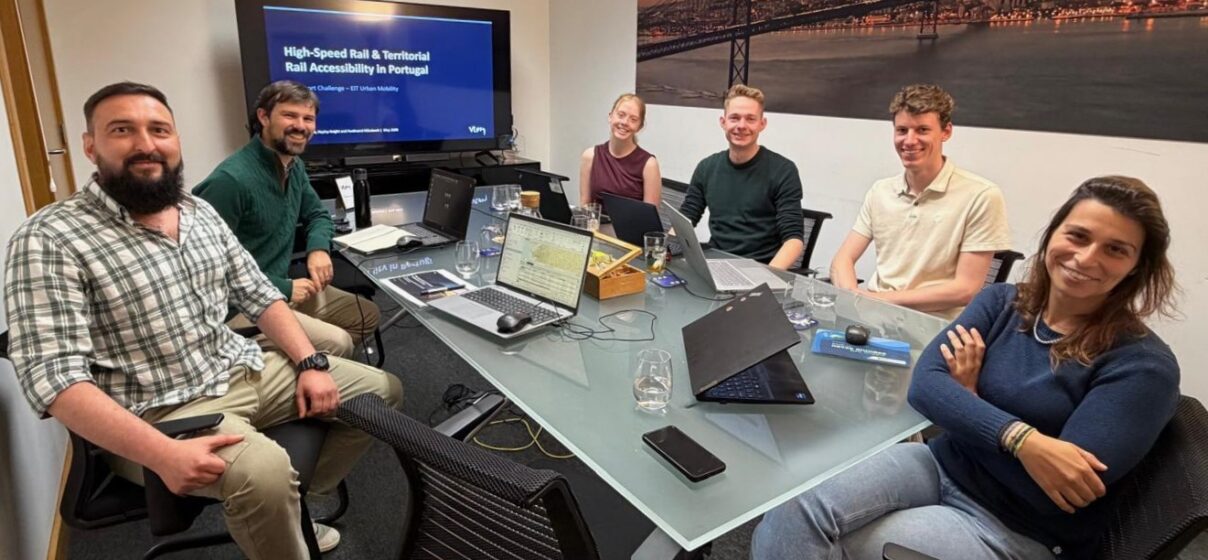
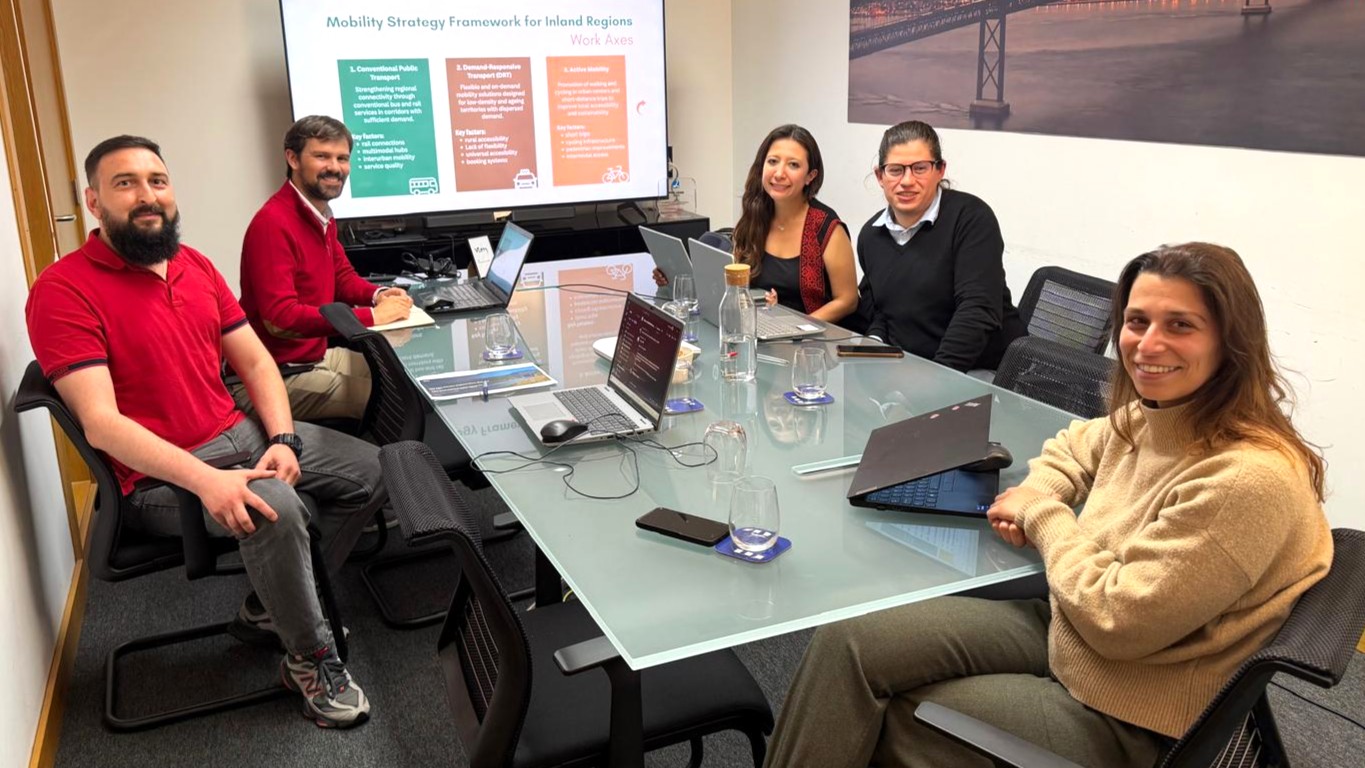
This week, VTM had the pleasure of welcoming two groups of students from the International Master’s in Urban Mobility by EIT Urban Mobility, currently attending the first year of the programme in Lisbon at Instituto Superior Técnico and IGOT – Instituto de Geografia e Ordenamento do Território da Universidade de Lisboa.
The meetings and presentations took place at VTM’s offices in Lisbon, as part of the collaboration developed within the framework of the Master’s programme.
A few weeks ago, VTM was invited to launch two transport and mobility challenges focused on key territorial and accessibility dynamics shaping current and future mobility patterns in Portugal. The first challenge focused on the potential impacts of future High-Speed Rail investments on territorial accessibility in Portugal. Beyond travel time reductions, the challenge encouraged students to reflect on how the location of future stations, network integration and first/last-mile accessibility may influence territorial dynamics, regional disparities and accessibility opportunities across different parts of the country.
The second challenge focused on mobility patterns in Portugal’s inland low-density regions, addressing issues such as demographic decline and ageing, territorial dispersion, car dependency and limited public transport supply. The objective was to explore how mobility systems, infrastructure investment and emerging transport solutions may influence accessibility and territorial cohesion in these regions.
This week, the students presented the first developments of their work, including preliminary analyses, territorial frameworks and reflections on how these topics are connected to current transport planning and mobility challenges in Portugal.
We were very pleased with the quality of the presentations, the commitment demonstrated by the students and the critical discussions generated throughout the sessions. It is always rewarding to contribute to the connection between academia and professional practice, particularly in topics that are highly relevant for the future of mobility, accessibility and sustainable territorial development.
Congratulations to all the students involved for the excellent work developed so far. We are looking forward to seeing the final results of the projects!
Latest news
All news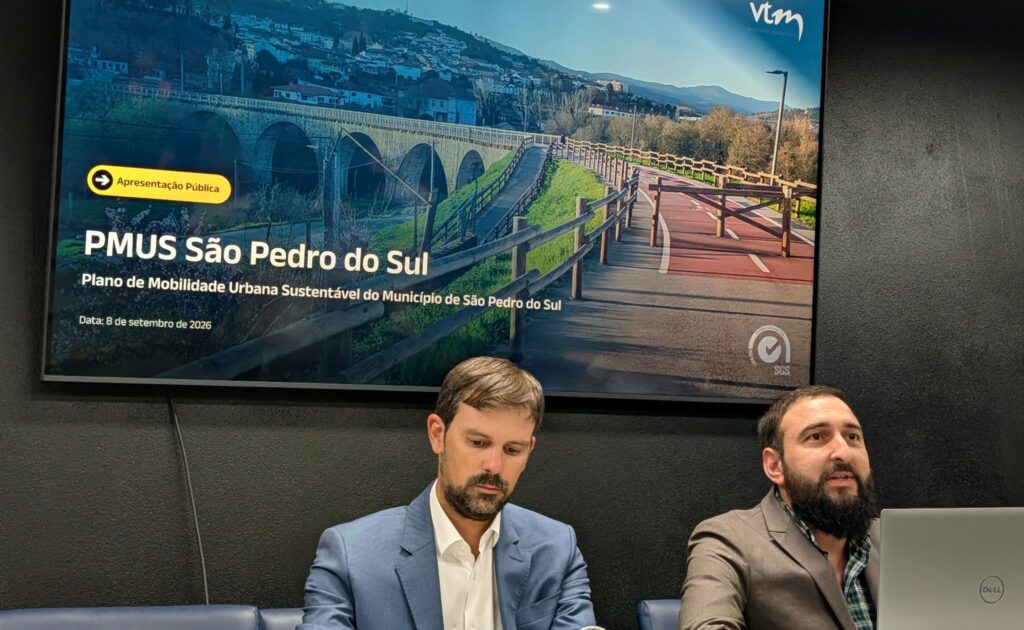
VTM Presents Sustainable Urban Mobility Plans for 5 Municipalities in Viseu Dão Lafões
Between 8 and 10 September, the municipalities of Carregal do Sal, Nelas, Penalva do Castelo, Santa Comba Dão and São Pedro do Sul hosted public presentation sessions for their respective Sustainable Urban Mobility Plans (SUMPs), which VTM is developing in collaboration with CIM Viseu Dão Lafões and the five municipalities. These sessions represented an important […]
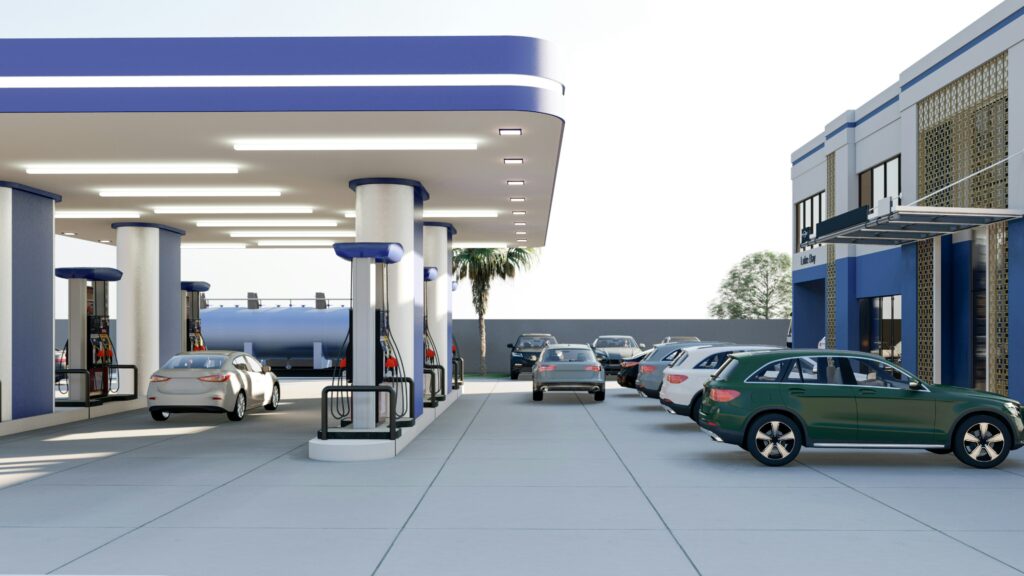
From Brazil’s CNG lesson to Europe’s hydrogen test
Other articles on the application of hydrogen technologies in transport are still accessible on our website: first, second and third. The chicken-and-egg problem Hydrogen’s promise as a road fuel has long been shadowed by a stubborn chicken-and-egg problem: drivers will not buy vehicles if they cannot refuel them, while investors hesitate to build stations before […]
