
Collaborative mobility planning takes a major step forward in Alto Minho
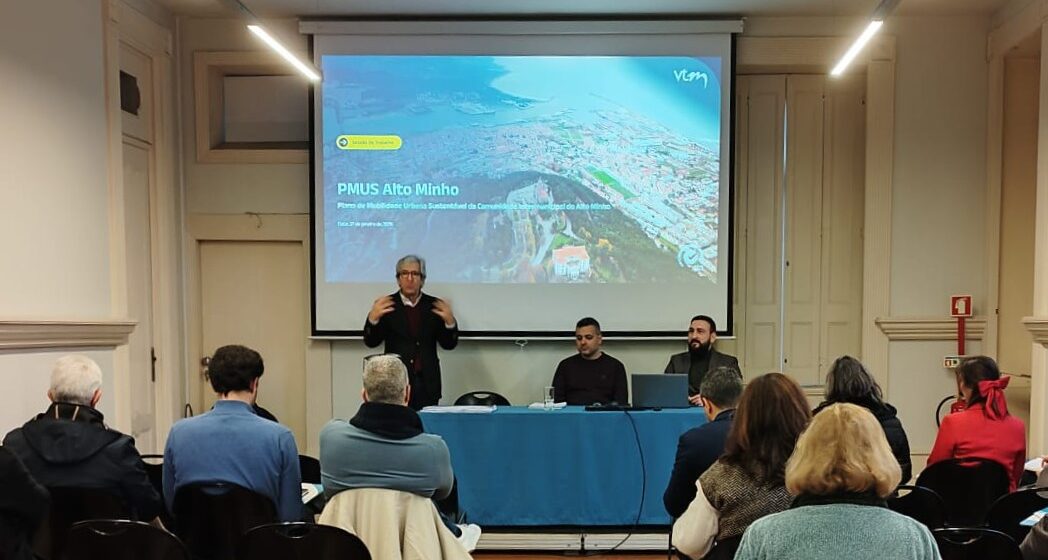
This week, Ponte de Lima hosted an important milestone for sustainable mobility in the Alto Minho region, with the working sessions of the 2nd-generation Sustainable Urban Mobility Plan of Alto Minho (SUMP Alto Minho), promoted by CIM Alto Minho.
At VTM, we are proud to support CIM Alto Minho in the development of a new-generation mobility plan, fully aligned with the latest European Union guidelines for SUMP, and designed to respond to emerging challenges and opportunities in mobility planning. Building on the solid work already carried out by CIM Alto Minho in recent years, the SUMP Alto Minho ensures continuity and coherence with existing regional mobility initiatives, while taking a decisive step forward in ambition, scope and methodological approach.
The working sessions were structured into three complementary stages, ensuring a participatory, transparent and evidence-based process:
- Stage 1 focused on the presentation of the main results from Phase I – Characterisation and Diagnosis and Phase II – Mobility Strategy, offering a comprehensive overview of current and future mobility challenges in the region, followed by an open debate.
- Stage 2 invited participants to assess the initial package of measures developed based on the first two phases, ensuring alignment with local needs, operational realities and strategic objectives.
- Stage 3 was dedicated to gathering feedback and proposals for additional measures, reinforcing the collaborative and co-creative nature of the process.
As a 2nd-generation SUMP, the SUMP Alto Minho goes beyond traditional mobility planning. In line with EU recommendations, it adopts an integrated and future-oriented approach, addressing emerging and cross-cutting areas such as electric mobility and alternative fuels, Intelligent Transport Systems and digitalisation, data-driven mobility planning and monitoring, improved multimodality and integration between transport modes, inclusive and accessible mobility for all users, as well as climate resilience and the reduction of environmental impacts.
A strong emphasis was also placed on enhanced public and stakeholder participation, recognising that effective mobility solutions must be co-created with municipalities, operators, local actors and local communities. Three dedicated sessions brought together a wide and representative range of stakeholders:
- The 10 municipalities of CIM Alto Minho: Arcos de Valdevez, Caminha, Melgaço, Monção, Paredes de Coura, Ponte da Barca, Ponte de Lima, Valença, Viana do Castelo and Vila Nova de Cerveira;
- Public transport operators and taxi associations serving the region;
- Local actors, associations and institutions, representing social, economic and territorial interests.
Together with CIM Alto Minho and its local actors, we are building on past achievements and shaping the next generation of mobility solutions – cleaner, smarter, more efficient and more inclusive – to support a sustainable future for the Alto Minho region.
Latest news
All news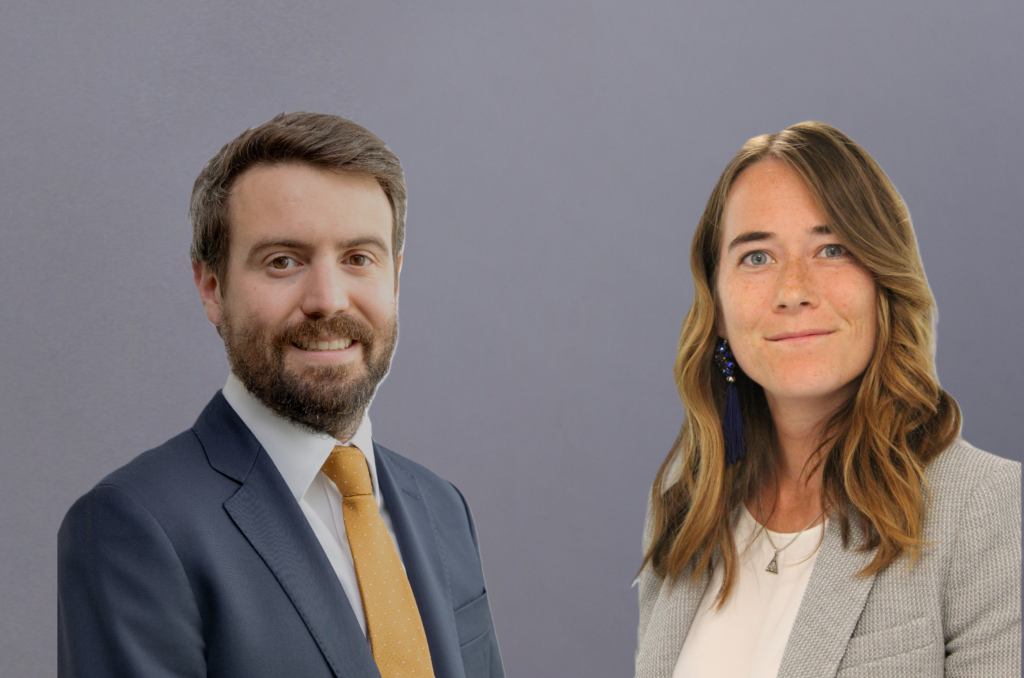
VTM welcomes Oriol Riba and Alessandra Bernardi
VTM is pleased to announce the addition of two highly experienced professionals, Oriol Riba and Alessandra Bernardi, further strengthening our capabilities across infrastructure advisory and transport modelling. Oriol Riba joins VTM as a Senior Associate Director with more than fourteen years of experience in the infrastructure sector, with a strong focus on transport and additional exposure to energy […]

Welcoming our 2025 joiners
2025 has been a very busy and exciting year at VTM. As our teams have continued to grow during 2025, we are pleased to introduce several colleagues who have joined VTM over the last months. Tiago Costa, Beyza Koç, and Miguel Alves have each become part of our day-to-day work and are already contributing across […]
