
New study reveals how street network layout shapes urban mobility cultures across Europe
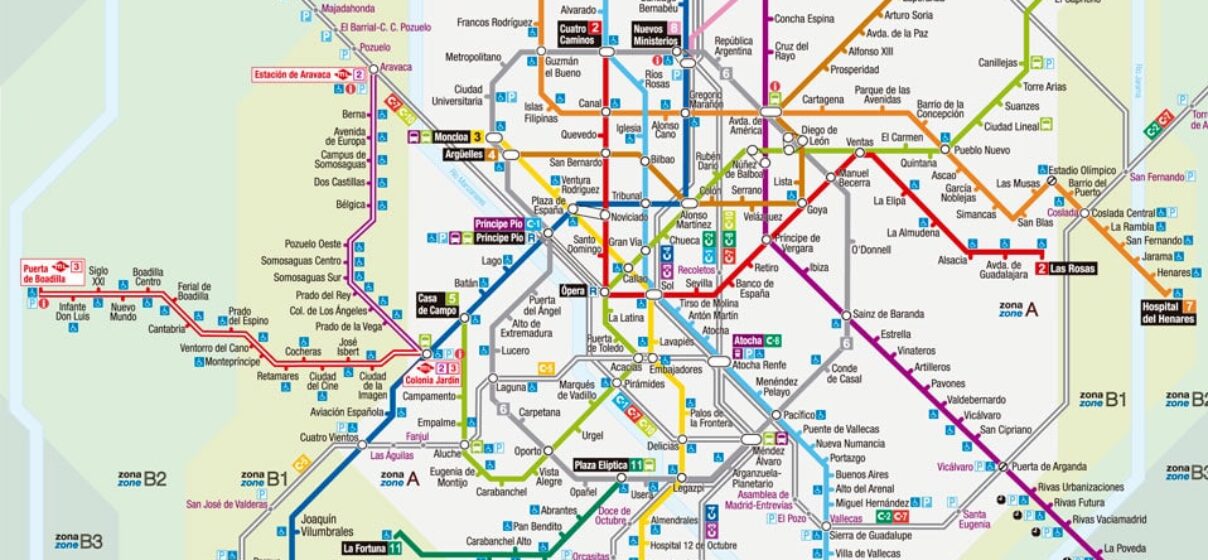
A collaboration including VTM’s Cristian Adorean uncovers fresh insights into the relationship between city design and travel behaviour.
A new study published in Cities examines how the layout of street networks—measured as “circuity”—relates to varied mobility cultures across 41 European cities. Co-authored by VTM senior consultant Cristian Adorean, the research explores how urban environments shape walking, cycling, and driving behaviur across distinct mobility cultures.
Street networks and circuity
Circuity quantifies how indirect the road network is compared to straight-line distances. Low circuity—indicating direct routes—can reduce travel time and boost the attractiveness of active transport. The study measured circuity across walking, cycling, and driving networks in 41 cities, offering a comparative spatial lens on travel efficiency .
Defining mobility cultures
Beyond infrastructure, the authors developed a typology of six “mobility cultures” using socio-cultural indicators and travel patterns:
- Cycling Champions
- Sustainable Transportation Advocates
- Multimodal Metropolises
- Car Dependent Cities
- Walking Conducive Cities
- Pro-Transit Cities. Each cluster reflects prevailing travel habits shaped by local values, policies, infrastructure, and socio-economic contexts.
How circuity varies with mobility culture
Significant differences emerged between mobility culture clusters:
- Car Dependent Cities scored highest (worst) in circuity across all modes.
- Sustainable Transportation Advocates exhibited the lowest circuity collectively.
- Cycling Champions combined low circuity for walking and cycling with high circuity for driving.
The findings highlight the reinforcing effects between street structure and travel habits: direct network layouts encourage active transport, while indirect layouts create path dependence on cars.
Benchmarking and policy implications
Cristian and colleagues propose that cities aspiring to shift away from car dependence could benchmark their street layouts against low-circuity networks typical of Sustainable Transportation Advocates. This data-driven approach offers a quantitative tool to assess urban design’s alignment with sustainable mobility goals.
VTM’s broader urban mobility expertise
Cristian brings deep experience in sustainable urban transport, holding a PhD in Urban Studies and leading contributions at VTM Global in planning sustainable mobility strategies and GIS analyses. This study further strengthens VTM’s role in bridging data-driven research and transport planning practice.
This paper adds to the growing recognition of “mobility culture”— a concept emerging from Across Europe that sees personal travel as shaped not just by infrastructure but by shared values and habits. By linking network circuity to cultural patterns, this work offers urban planners a practical diagnostic and strategic tool for advancing greener, more efficient cities.
—
You may find the full article here:
The relation between circuity and mobility cultures: A study of 41 European cities – ScienceDirect
Latest news
All news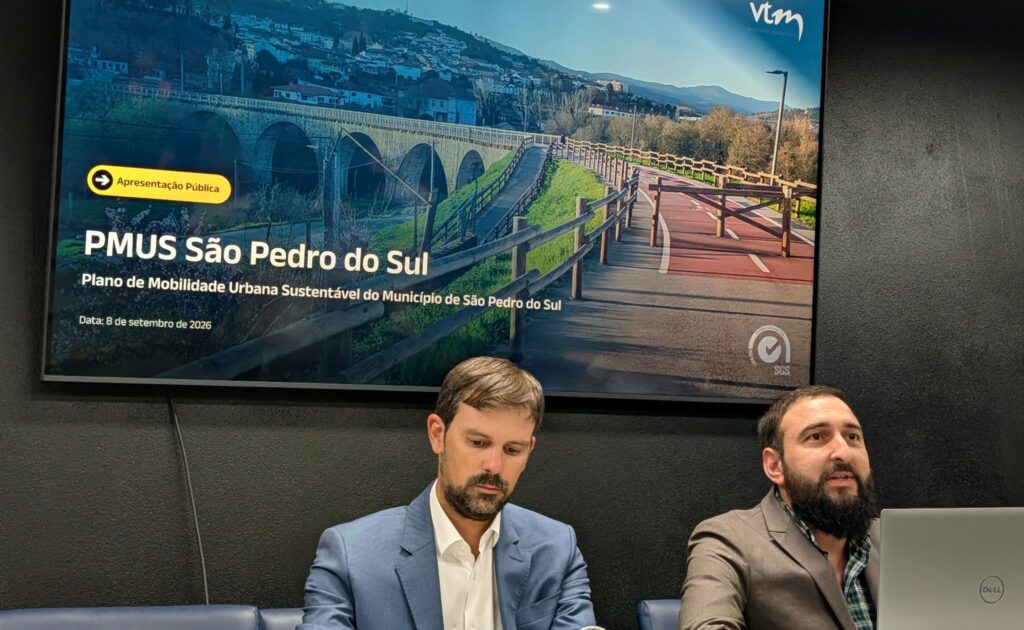
VTM Presents Sustainable Urban Mobility Plans for 5 Municipalities in Viseu Dão Lafões
Between 8 and 10 September, the municipalities of Carregal do Sal, Nelas, Penalva do Castelo, Santa Comba Dão and São Pedro do Sul hosted public presentation sessions for their respective Sustainable Urban Mobility Plans (SUMPs), which VTM is developing in collaboration with CIM Viseu Dão Lafões and the five municipalities. These sessions represented an important […]

Collaborating for smarter mobility: VTM engages with EIT Urban Mobility students
This week, VTM had the pleasure of welcoming two groups of students from the International Master’s in Urban Mobility by EIT Urban Mobility, currently attending the first year of the programme in Lisbon at Instituto Superior Técnico and IGOT – Instituto de Geografia e Ordenamento do Território da Universidade de Lisboa. The meetings and presentations […]
