
VTM at the Public Passenger Service Contracts conference

After a day of presentations and discussion, the conference’s assessment indicates that there is still work to be done, both on the side of the granting authorities and the concessionaires, to ensure that contracts are fulfilled without (major) hitches. Various challenges were identified by different stakeholders.
These challenges include, for example, the correct adjustment of contract remuneration to enable operators to meet the investment required in the specifications. There is also a need for capacity building not only for operators but also for municipalities and intermunicipal communities, both in terms of human and technological resources, to address the various needs imposed by the new contracts, among other challenges faced by different entities.
VTM has extensive experience advising various players in the public passenger transport sector, participating on both the grantor and concessionaire sides in various first-generation tenders. Thus, it is in a privileged position to assist its clients in preparing for or bidding on the remaining contracts of this first generation, as well as in future second-generation contracts.
Latest news
All news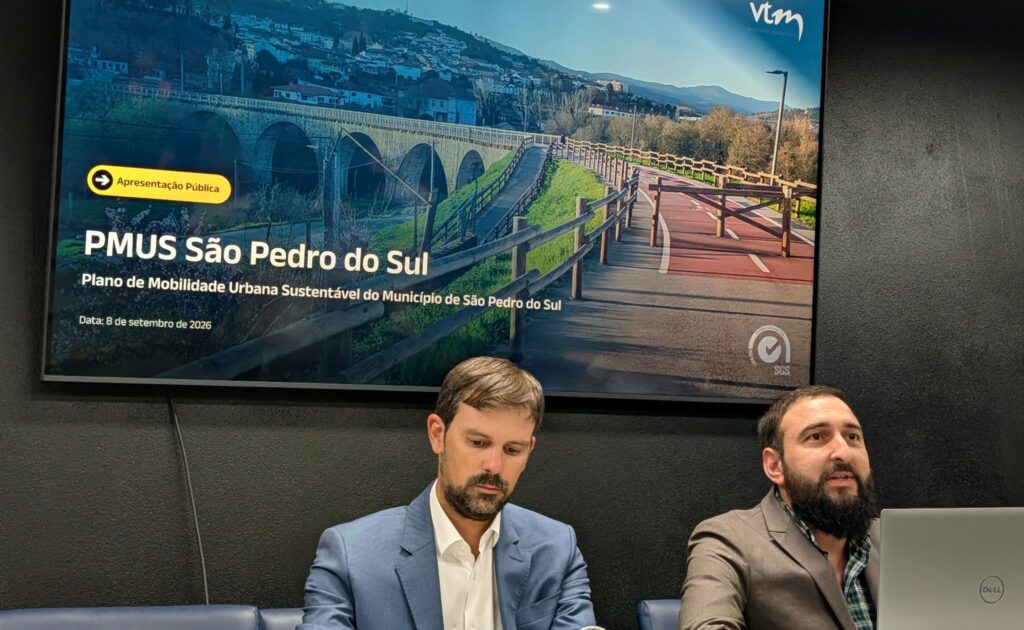
VTM Presents Sustainable Urban Mobility Plans for 5 Municipalities in Viseu Dão Lafões
Between 8 and 10 September, the municipalities of Carregal do Sal, Nelas, Penalva do Castelo, Santa Comba Dão and São Pedro do Sul hosted public presentation sessions for their respective Sustainable Urban Mobility Plans (SUMPs), which VTM is developing in collaboration with CIM Viseu Dão Lafões and the five municipalities. These sessions represented an important […]
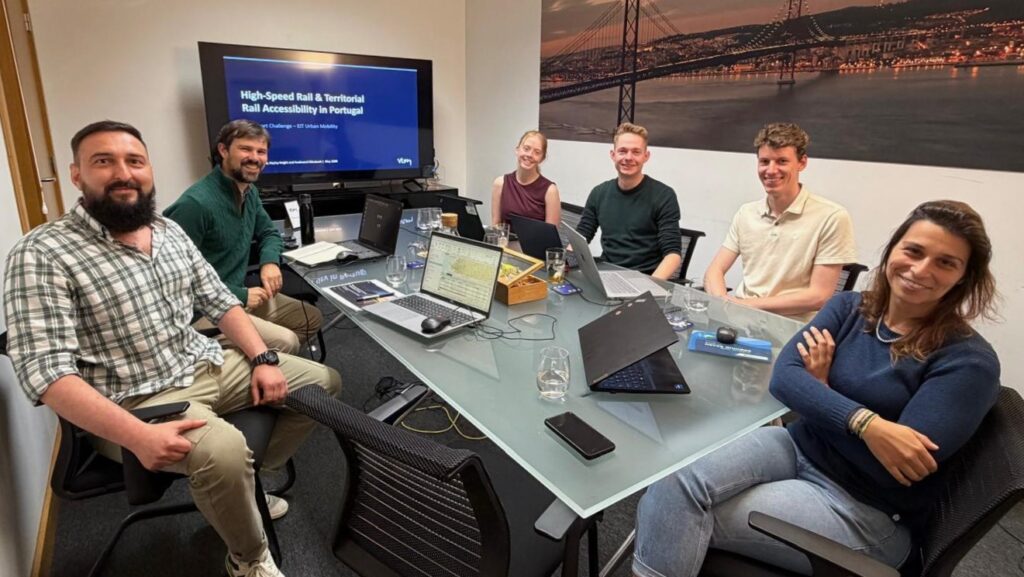
Collaborating for smarter mobility: VTM engages with EIT Urban Mobility students
This week, VTM had the pleasure of welcoming two groups of students from the International Master’s in Urban Mobility by EIT Urban Mobility, currently attending the first year of the programme in Lisbon at Instituto Superior Técnico and IGOT – Instituto de Geografia e Ordenamento do Território da Universidade de Lisboa. The meetings and presentations […]
